Why internal audit is so much more useful for a business owner than an external audit
What is Internal Audit?
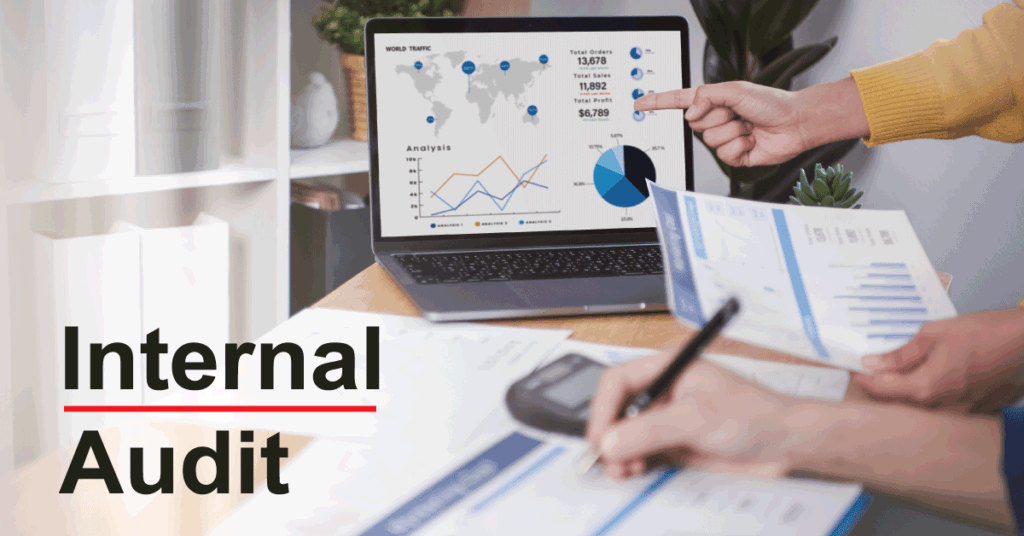
An internal audit is a systematic, objective procedure inside a company to evaluate and enhance the efficiency of its governance, internal controls, risk management, and operations.
The primary objective of an internal audit is to identify areas of improvement, ensure compliance with relevant laws and regulations, and safeguard the organization’s assets.
What is an External Audit?
An external audit is an independent examination of an organization’s financial statements and related operations, conducted by auditors who are not employees of the organization.
By thoroughly reviewing financial records, transactions, internal controls, and compliance with regulatory requirements, external auditors offer assurance to stakeholders, such as investors, creditors, and regulatory bodies, about the accuracy and integrity of financial reporting.
Why is internal audit more useful?
An internal audit is often more valuable for a business owner than an external audit for several reasons, including its focus on improving operations, risk management, and business performance. Here’s a breakdown of why internal audit can be more beneficial:
1. Operational Insights
Internal auditors are frequently employed by the company and collaborate closely with it. They offer a more in-depth understanding of daily operations, assisting in identifying inefficiencies and making recommendations for enhancements to boost output and profitability.
2. Risk Management
Internal audits place a strong emphasis on identifying and controlling risks that could affect the company, whether they be operational, financial, or regulatory. They offer the owner proactive risk mitigation strategies, assisting in the prevention of problems before they become more serious.
3. Continuous Monitoring
Internal audits can be carried out on a regular or continuous basis, in contrast to external audits, which are usually carried out once a year. This enables business owners to make prompt decisions by tracking their financial and operational performance in real-time.
4. Customized Focus
Internal audits are customized to meet the unique requirements and goals of the company. In contrast to the standardized scope of external audits, they offer a more customized audit experience by addressing particular concerns like fraud detection, cybersecurity vulnerabilities, and regulatory compliance.
5. Cost Efficiency
Internal audits have the potential to produce immediate financial gains by locating operational inefficiencies, possible fraud, or areas for cost reduction. They can assist the company in streamlining operations and reducing wasteful spending, both of which are essential for expansion.
6. Advisory Role
Internal auditors frequently assist company owners with strategic choices by acting as advisors. They provide suggestions for enhancing general governance, procedures, and internal controls.
7. Confidentiality and Trust
Internal auditors operate within a framework of trust and confidentiality because they are an integral part of the business. As a result, they frequently uncover more sensitive issues that may not be discovered in an external audit, which is usually more concerned with financial accuracy and compliance.
8. Regulatory Preparedness
Internal audits make sure that a company is abiding by all applicable laws and regulations, which gets it ready for external audits. This lowers the possibility of fines or reputational harm while streamlining external audits.
In contrast, external audits are primarily concerned with verifying the accuracy of financial statements for stakeholders, such as investors and regulators. While important, external audits do not provide the same level of operational insight or strategic value that internal audits offer.
One Accounting Provides Internal Audit Services
At One Accounting, we understand the critical role that internal audits play in enhancing the efficiency, effectiveness, and integrity of an organization’s operations. Our comprehensive internal audit services are designed to provide valuable insights, strengthen internal controls, and support sound governance practices. With a team of experienced professionals, we are committed to helping your organization mitigate risks, ensure regulatory compliance, and optimize processes for sustainable success.
Choose One Accounting for your internal audit needs and experience the difference our expertise and dedication to excellence can make. Let us be your trusted partner in driving operational success and ensuring sound governance.
Share:
Recent Blogs
Top Tax Write-Offs for Small Businesses in Canada
10 Commonly Missed Tax Credits & Deductions for 2026
GST/HST Credit Payment Dates in Canada
What Is a Compilation Engagement?
What Is the Toronto Vacant Home Tax?
Internal auditor vs external auditors

Leya Koshy
Accounting Director | Chartered Accountant (CA)
Leya Koshy is a Chartered Accountant (CA) and the Accounting Director at One Accounting. She has also pursued advanced studies in Accounting Sciences in South Africa, further strengthening her expertise in accounting and financial management.
With a strong foundation in accounting principles and Canadian tax regulations, Leya oversees the firm's accounting operations, ensuring accuracy, compliance, and efficiency. She plays a key role in financial reporting, corporate compliance, and client advisory services, supporting businesses across various industries.
Her attention to detail, professional expertise, and commitment to delivering high-quality accounting services help clients maintain financial clarity, meet regulatory requirements, and make informed business decisions.
- Phone: +1 416-278-1283
- Email: [email protected]
