Bookkeeping Software for Small Business Doesn’t Eliminate the Need for an Accountant
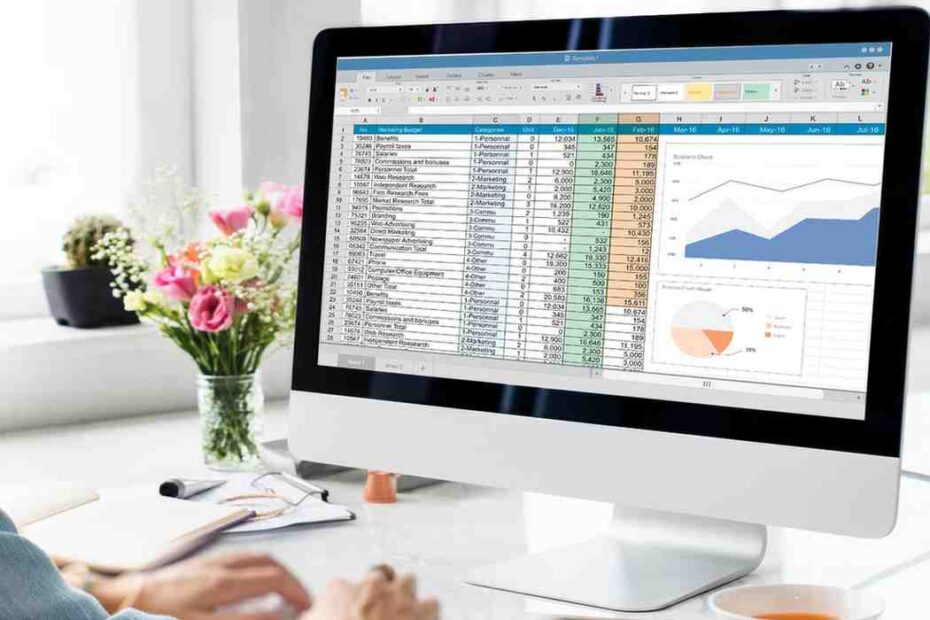
Managing your finances with technology is smart, but relying solely on software might cost you more in the long run. If you’re a small business owner trying to stay on top of your books, you’ve likely explored options like QuickBooks or Xero. While these platforms are great tools, they can’t replace the expertise of a professional accountant.
At One Accounting, we help small businesses get the most out of bookkeeping software for small business while also adding expert support for compliance, insights, and growth.
Before weighing the benefits of hiring an accountant, let’s look closely at what bookkeeping software really brings to the table.
What Bookkeeping Software Does
Before we explore why you still need an accountant, let’s understand what bookkeeping software for small business actually offers. These platforms are designed to automate tasks and reduce manual work.
They simplify daily bookkeeping and give business owners better visibility into their finances. However, while they can’t understand the context behind the numbers.
Bookkeeping software brings a wide range of practical tools to streamline everyday financial tasks, and its key functions are as follows:
a. Automation of entries
Automation is one of the top benefits of using bookkeeping software for small business. It allows transactions from your bank or credit card to be automatically pulled in. This saves time and eliminates the need for manual entry, which can often lead to mistakes. The software also learns to categorize similar transactions over time, further improving speed and accuracy.
However, automation does not mean perfection. It may misclassify new or unique transactions. Business owners still need to review and adjust entries manually when the software makes errors. Without professional oversight, these errors can go unnoticed for months.
b. Invoice generation
Bookkeeping software allows users to create and send professional invoices directly to clients. You can track payments, apply late fees, and even automate recurring invoices for ongoing services. This keeps cash flow steady and ensures your receivables stay organized. Most platforms also allow integration with email, so clients receive invoices promptly.
This is especially helpful for service-based businesses and freelancers. So, while the software handles delivery, the strategy behind invoicing often requires expert insight.
- Customizes branding for invoice templates
- Enables automatic reminders for overdue payments
- Supports multiple currencies and payment gateways
- Tracks invoice ageing for better receivables management
c. Expense tracking
Tracking business expenses is a key feature of bookkeeping software for small businesses. Users can scan receipts, upload them directly, and assign expenses to appropriate categories. This ensures you maintain accurate records for tax purposes and reduces the chance of losing deductions.
Still, many users struggle with categorizing expenses correctly. An accountant can help create specific guidelines for assigning costs and flag unusual entries. This improves accuracy and ensures you’re claiming all eligible deductions. Proper tracking also supports better cash flow management and long-term planning.
- Integrates with mobile apps for receipt capture
- Flags unusual or duplicate expenses
- Assigns expenses to specific clients or projects
- Consolidates reimbursable and non-reimbursable expenses
d. Basic reporting
Most software offers a dashboard that generates basic financial reports. These include income statements, balance sheets, and cash flow summaries. Business owners can access this data anytime, giving them real-time insight into how their business is performing.
However, interpreting these reports is not always straightforward. Accountants can help translate these numbers into actionable advice. They identify trends, highlight risks, and suggest adjustments to improve profitability. The software provides the information, and your accountant turns it into strategy.

Although automation offers convenience, it doesn’t guarantee accuracy. Let’s explore the kinds of errors that can still sneak into your books.
The Risk of Misclassification & Errors
Just because software records data doesn’t mean it’s always correct. While automation is helpful, it lacks the judgment and insight that a human professional brings. Errors can accumulate over time, especially if no one is reviewing your books regularly. That’s why pairing software with a qualified accountant is essential.
Without human oversight, even smart software can create errors that distort your records. These risks are described below:
a. Duplicate entries
Duplicate entries are common, especially when integrating with multiple accounts or platforms. These mistakes can inflate income or expenses and distort your financial picture. Bookkeeping software for small business isn’t always smart enough to spot these issues. You might not even realize it until tax time.
An accountant performs regular audits of your books. They catch these duplicates and reconcile your records accurately. This ensures that your financial data reflects reality and prevents unpleasant surprises. Consistent oversight keeps your business on track.
b. Miscategorized expenses
Even the best software can miscategorize expenses. For example, it might log a personal lunch as a business meal or misplace an office supply under travel. These errors affect your taxes and your internal reporting. Inaccurate categorization can also impact cash flow forecasting.
A professional accountant can set up rules and customized categories tailored to your business. They provide guidance on how to track different types of expenses correctly. With their help, your financial data becomes more reliable. That makes decision-making much easier and more accurate.
c. Reconciliation errors
Software platforms may match transactions automatically without human review. This can result in unnoticed discrepancies when your books don’t actually align with your bank account. Missed or incorrectly recorded payments are common issues. Relying solely on software can cause ongoing reconciliation headaches.
Accountants carefully cross-check bank statements with your software entries. They ensure every dollar is accounted for and any discrepancies are corrected promptly. This builds a strong foundation of financial integrity. Accurate reconciliation is essential for taxes, audits, and long-term planning.
- Matches transaction amounts and dates for accuracy
- Detects uncleared checks or missing deposits
- Provides reconciliation summaries by period
- Alerts for mismatched ending balances
Once basic entries are taken care of, the next major concern is ensuring compliance with changing tax laws and regulations.
Compliance & Regulatory Expertise
Tax compliance is one of the biggest challenges small businesses face. Government regulations change frequently and can be difficult to follow. Bookkeeping software for small businesses may assist with tax tracking, but it can’t replace a human expert. Accountants provide the insight and precision needed to stay compliant.
Taxation rules and digital filing obligations require more than automation, major compliance concerns include the issues below:
a. VAT/Sales tax rules
Different regions and industries have specific rules for VAT or sales tax. Software can apply general rates but might not catch nuances. This could lead to underpayment or overpayment of taxes. Either outcome affects your business health.
- Applies the correct rates based on location and product type
- Tracks exemptions and threshold levels
- Maintains audit-ready tax records
- Files accurate and timely sales tax returns
b. MTD (Making Tax Digital) and deadlines
Many governments are pushing for digital tax filing. While software helps, it doesn’t ensure that your submissions are correct or complete. Missing a deadline can result in hefty fines. That’s a big risk for small business owners.
- Sets alerts for upcoming tax deadlines
- Validates file formats and data completeness
- Manages submission directly through HMRC-compatible tools
- Advises on quarterly and annual filing responsibilities
Now that accuracy and compliance are in place, let’s explore how accountants provide strategic insight that software alone cannot deliver.
Strategic Financial Insight
Bookkeeping software provides a snapshot of your finances, but not the full story. An accountant can interpret what’s behind the numbers. Their strategic guidance supports growth and helps you avoid costly mistakes. It turns data into decisions.
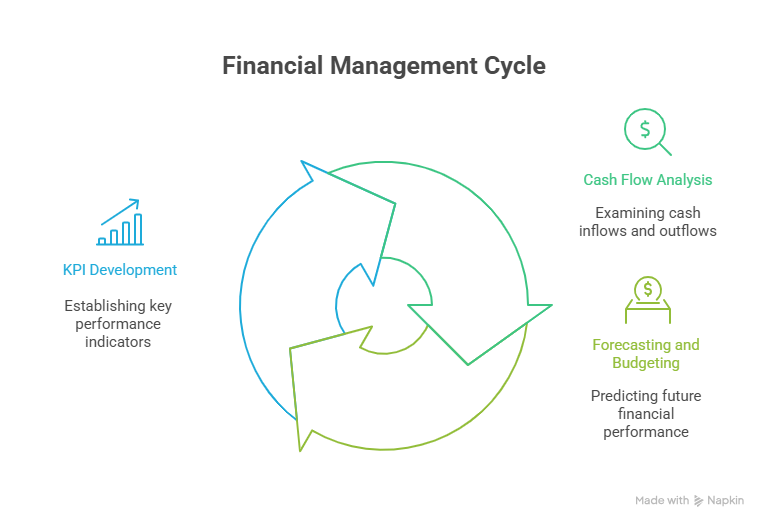
Bookkeeping software provides raw data, but it’s the accountant who transforms it into a growth-focused strategy through services such as the following:
a. Cash flow analysis
Cash flow is the lifeline of any small business. Software can show you the numbers, but not explain the implications. Why is cash tight this month? Where are funds being delayed?
Accountants analyze inflows and outflows to identify patterns and concerns. They suggest ways to improve collections or manage payables better. You gain a clearer picture of your financial health. That knowledge drives better choices.
b. Forecasting and budgeting
Budgeting in software can be tricky without guidance. Forecasts require realistic assumptions and insights. You need to account for seasonality, growth, and unexpected changes.
Accountants build forecasts tailored to your business model. They help you set achievable goals and monitor progress. With their support, budgeting becomes a powerful management tool. You operate with confidence, not guesswork.
c. KPI development
An accountant identifies the right KPIs for your industry and size. They set up tracking systems within your software. This allows you to measure what matters and make informed adjustments. It’s one more way they transform numbers into strategy.
To take financial control to the next level, your accounting system should be customized to reflect the realities of your sector.
Industry-Specific Customization
Every business is different, and so are its accounting needs. Bookkeeping software for small business often uses a one-size-fits-all approach. Accountants bring the customization needed to make your system work for you. They make sure your setup reflects your specific goals and operations.
For your software to align with your business goals, accountants often perform customization steps such as the following:
a. Custom chart of accounts
The chart of accounts is your financial backbone. Software gives you a default list, but it may not fit your business structure. A poor setup can confuse reporting and make taxes harder.
Accountants design a chart that suits your sector, be it retail, service, or construction. They tailor categories to your workflows and objectives. This leads to more meaningful insights. Better categorization means better decisions.
b. Workflow adjustments
Not every business needs the same features. Some rely on inventory tracking, others on time billing. A tailored workflow saves time and boosts productivity.
Accountants help you enable the right modules and integrations. They streamline how data flows between departments and tools. You reduce duplication and errors. Your operations become more efficient and scalable.
The best results often come from blending technology with expert review. Let’s look at how hybrid approaches offer the ideal balance.
Seamless Hybrid Approaches
Many firms now offer hybrid bookkeeping using both automation and expert review. This model offers the best of both worlds. Bookkeeping software for small business handles routine tasks, while accountants ensure accuracy and compliance.
Many firms now deliver a hybrid model that merges automation with human review, offering services like those outlined below:
a. Technology plus oversight
You can automate invoice delivery, bank feeds, and report generation. But your accountant still checks for errors and gives advice. It’s efficient and reliable.
This division of labor reduces costs and increases precision. You only pay for expert help when you need it. Meanwhile, day-to-day processes stay fast and user-friendly.
b. Firms offering hybrid support
Companies like Bench and One Accounting offer this model. They provide access to powerful software, with professional accountants monitoring your finances.
You get timely support when questions arise. There’s no guesswork, just expert answers. Hybrid solutions are especially valuable for growing businesses. They combine scalability with peace of mind.
Once hybrid systems are in place, scaling your business brings new challenges that DIY software setups can’t always handle effectively.
Scaling Beyond Simple DIY
Small businesses often start with DIY bookkeeping. But as things grow, the complexity multiplies. New hires, inventory, and multiple revenue streams complicate your books. Software alone can’t manage it all.
Scaling your business means adding more moving parts to your books, common complexities are addressed through services outlined below:
a. Payroll and HR
Managing payroll is more than sending paychecks. You need to withhold taxes, file returns, and stay compliant with labor laws. Mistakes are costly and demoralizing.
Accountants handle this for you or set up your system correctly. They help you calculate pay, manage deductions, and keep records. Your team stays happy, and your business stays legal. It’s one less thing to worry about.
b. Multi-entity and currency
Expanding into new markets or launching additional entities brings new challenges. Bookkeeping software might support this, but the setup is complex.
Accountants ensure your system is configured to handle it smoothly. They help you consolidate data and manage intercompany transactions. Accurate books across all operations support better planning. Growth becomes manageable, not messy.
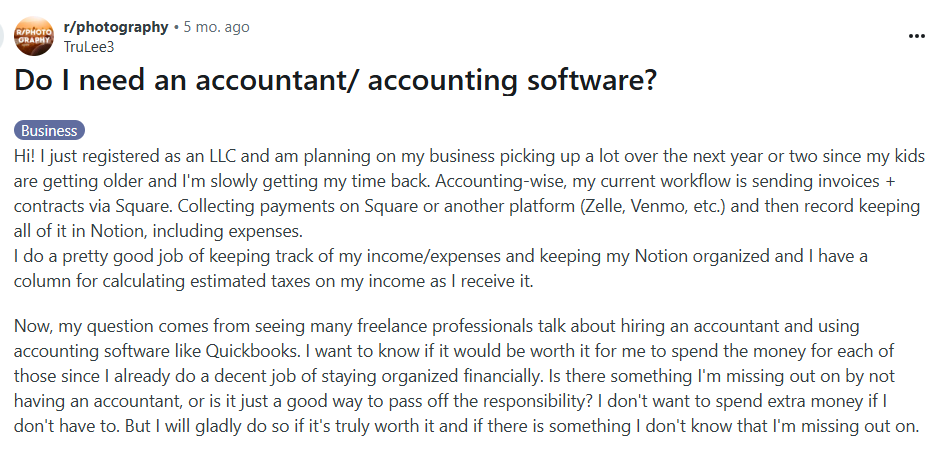
To illustrate just how common this dilemma is, consider a recent discussion from Reddit where small business owners weighed in on the question: “Do I need an accountant if I’m already using accounting software?”
With everything in place, from automation to strategic advice, it’s time to highlight how these elements work together to drive measurable results.
Saving Time, Reducing Stress, and Boosting ROI
Time is your most valuable resource. Spending hours on bookkeeping takes you away from core business activities. A good accountant gives that time back to you.
With the right support in place, small businesses can regain hours and achieve stronger financial results, as demonstrated below:
a. Save hours each week
When paired with bookkeeping software for small business, accountants automate and streamline their workflow. You no longer spend evenings sorting receipts. Instead, your records stay current with minimal input.
b. ROI from expert advice
Hiring an accountant pays off. Businesses with professional advisors see higher revenues and lower tax bills. Studies show an average of 11.5% revenue growth.
We’ve seen how software and accountants work best together, now let’s wrap up with what this means for your business moving forward.
Conclusion: One Accounting Helps You Get the Best of Both Worlds
Bookkeeping software for small business is a powerful tool. But it can’t think, plan, or advise. That’s where accountants come in. At One Accounting, we help you set up, manage, and optimize your software while ensuring compliance, accuracy, and strategic clarity.
You don’t have to choose between tech and expertise. Let us show you how the right balance of automation and professional support can help your business grow smarter. Contact One Accounting today to get expert guidance alongside your favorite bookkeeping software for small business.
With the right team and tools in place, you’ll gain more control, more clarity, and more confidence in every financial decision.
Share:
Recent Blogs
Top Tax Write-Offs for Small Businesses in Canada
10 Commonly Missed Tax Credits & Deductions for 2026
GST/HST Credit Payment Dates in Canada
What Is a Compilation Engagement?
What Is the Toronto Vacant Home Tax?
Internal auditor vs external auditors

Sunith Varkey
Founder & Partner | One Accounting Professional Corporation
Sunith Varkey is a Chartered Professional Accountant (CPA, CA) and Founder of One Accounting Professional Corporation, bringing over 17 years of international experience in accounting, financial management, Canadian corporate taxation, and business advisory.
Sunith qualified as a Chartered Accountant in South Africa in 2012 and subsequently obtained his Canadian CPA designation in 2015. Throughout his career, he has held senior financial leadership and executive positions with large multinational corporations, publicly listed business groups, and growing private enterprises, gaining extensive experience in financial management, corporate governance, and strategic decision-making.
Since founding One Accounting in 2020, Sunith has focused on helping small and medium-sized businesses navigate the complexities of accounting, taxation, and financial management. Today, he leads a team of accounting professionals helping Canadian businesses with bookkeeping services, corporate tax compliance and planning, financial reporting, and strategic business advisory.
Combining his corporate finance background with an entrepreneurial perspective, Sunith takes a practical, results-oriented approach to helping businesses improve financial visibility, maintain compliance, and achieve sustainable growth.
Through his articles, he shares practical insights on Canadian taxation, accounting, financial management, and business strategy to help entrepreneurs and business owners make informed financial decisions.
- Phone: +1 416-319-9207
- Email: [email protected]
