

Can New Immigrants to Canada Deduct Moving Expenses? What You Need to Know

Moving to Canada for work or starting a new business brings excitement, but it also comes with significant financial challenges. Between visa fees, temporary accommodation, shipping belongings, and countless other expenses, the costs add up quickly. You might wonder: can you claim a moving expenses deduction Canada on your first Canadian tax return?
The answer isn’t as straightforward as you’d hope. While the Canada Revenue Agency (CRA) provides guidance that seems encouraging, recent court decisions tell a different story. Understanding this complex tax landscape is crucial for making informed financial decisions during your transition to life in Canada.
Let’s take a deeper look with practical examples that can the scenario and add weight to the scenarip.
The Legal Reality: What Court Cases Reveal
While CRA guidance appears supportive, Canadian courts have taken a more restrictive approach to moving expenses deduction Canada claims by new immigrants.
The landmark case that changed everything is Ellaway v. The Queen (2019 TCC 118). In this case, a taxpayer moved from Australia to Canada to begin employment. Despite meeting the basic requirements outlined by the CRA, the Tax Court of Canada denied the moving expense deduction. The court’s reasoning fundamentally challenges how new immigrants interpret the available guidance.
The critical issue centered on the requirement that taxpayers must have “ordinarily resided” in both their old and new homes. Since the taxpayer was establishing Canadian residency for the first time, they had never ordinarily resided in Canada before the move. This interpretation effectively excludes most new immigrants from claiming moving expenses deduction Canada deductions.
The Ellaway decision established that simply moving to Canada doesn’t qualify you for the deduction unless you’re already considered a deemed resident of Canada. This creates a catch-22 situation for many newcomers who assume they can claim these expenses on their first Canadian tax return.
What Are Your Alternatives?
Since traditional moving expenses deduction claims may not work for new immigrants, you need alternative strategies to manage relocation costs effectively.
Employer Reimbursement Strategies
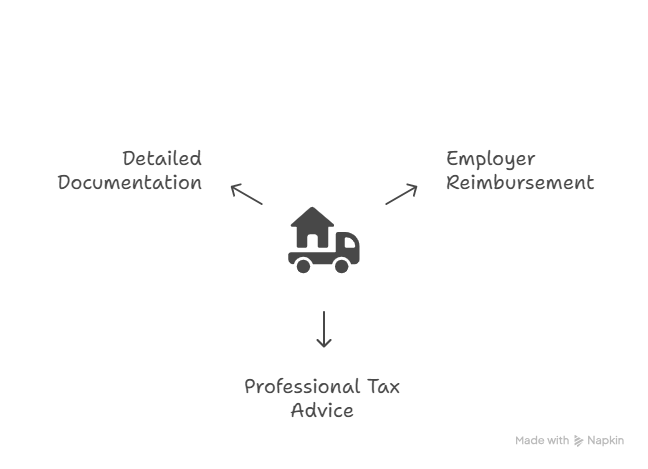
Your employer can potentially structure moving expense reimbursements as non-taxable benefits if they comply with CRA rules. This approach requires careful documentation and proper structuring, but it can provide the financial relief you’re seeking without relying on personal deductions.
Work with your employer’s HR department to explore reimbursement options that benefit both parties. Many Canadian employers understand the challenges newcomers face and are willing to help structure compensation packages accordingly.
Professional Tax Planning
Given the complexity surrounding moving expenses deduction rules for immigrants, professional tax advice is invaluable. Every situation is unique, and what applies to one newcomer may not apply to another.
Tax professionals can review your specific circumstances, including your residency status, employment arrangements, and timing of your move. They can identify opportunities you might miss and help you avoid costly mistakes on your tax returns.
Documentation and Record Keeping
Regardless of whether you can claim deductions immediately, maintain detailed records of all moving expenses. Tax situations can change, and having comprehensive documentation protects your interests if interpretations evolve or if your circumstances change in future tax years.
Keep receipts for transportation, temporary lodging, shipping costs, storage fees, and other legitimate moving expenses. This preparation demonstrates your diligence and supports any future claims or employer reimbursement requests.
Now that you know your alternatives, let’s plan your financial transactions.
Why Professional Guidance Matters
The complexity surrounding moving expenses deduction Canada rules for new immigrants demonstrates why professional tax guidance is essential during your transition to Canadian residency.
One Accounting understands the unique challenges facing newcomers to Canada. Our experienced Certified Public Accountants stay current with evolving tax interpretations and court decisions that affect immigrant taxpayers. We provide personalized advice that considers your specific situation rather than relying on general guidance that may not apply to your circumstances.
Our comprehensive approach includes reviewing your residency status, employment arrangements, and potential tax obligations before you file your first Canadian return. This proactive strategy helps you avoid common mistakes and identifies opportunities to optimize your tax position within the current legal framework.
Working with experienced professionals also means having advocates who understand both CRA procedures and court precedents. When guidance conflicts with legal reality, you need advisors who can navigate these complexities effectively.
Conclusion
The question of whether new immigrants can claim moving expenses deduction Canada benefits reveals the importance of understanding both official guidance and legal precedents. While CRA materials may seem encouraging, court decisions like Ellaway v. The Queen significantly restrict deduction availability for first-time Canadian residents.
Rather than assuming you qualify for these deductions, focus on alternative strategies like employer reimbursements and comprehensive financial planning. Professional tax guidance becomes invaluable when navigating these complex rules that directly impact your financial transition to life in Canada.
Need help determining your eligibility for moving expenses deduction Canada or structuring your relocation benefits effectively? One Accounting’s expert team provides personalized guidance tailored to newcomers’ unique circumstances. Contact us today to ensure your Canadian tax journey starts on the right foot with professional support you can trust.